Now is the Time for Preventative Heater Maintenance
Preparing Your Specialty Vehicle Heater for Winter
Everyone wants to stay comfortable in their cabs in the winter, but it’s easy to overlook heater maintenance when the days are still warm. As the leaves start to change and the seasons transition, now is the perfect time to handle preventative maintenance for commercial trucks and heavy equipment.
How to Maintain Red Dot, Webasto or Climate Command Heater Systems
Traditional in dash or auxiliary heaters:
Blower Check – With the engine up to normal temperature, turn on your heater and let it run for 15 to 20 minutes and confirm you are getting heated air from the vents. Check all fan speeds, from low to high and back. Depending on the system you have, a missing fan speed or inoperative blower could be the fan speed switch, blower resistor, fan motor or the wiring.
Temperature control check – If your equipment has shut-off valves on the heater coolant circuit, ensure those are open first and the system has the proper level of engine coolant. Operate the temperature knob from cold to hot and back to cold. Keep in mind that there will be a delay in the change to the vent temperature so be patient. If the temperature does not change, there could be a problem with your heater control valve or internal duct door positioning. Some designs do not use a heater control valve and rely on duct blending doors to mix air within the HVAC unit to achieve the desired vent temperature.
Air Filters – Plugged fresh and recirc air filters will reduce airflow and air quality, which impacts heating performance. In cold weather, a dirty filter will limit fresh air intake, and make de-misting or defrosting more difficult.
Inspect Hoses and Fittings – This is a great time to examine coolant AND refrigerant hoses for wear. Pay extra attention to hoses at fittings, clamps and connections, and replace any that are suspect. Look for rust or corrosion on hose clamps and replace if needed. Check hoses for signs of dry-rot, abrasion damage and soft spots in the hose material. Some hoses are not compatible with petroleum products so if you have any oil leaks that have contacted the hoses, it could be breaking down the hose material which can cause bulging or soft spots of the hose, which are early signs of failure. It never hurts to give the AC system a review, too, while prepping for winter. The air conditioner frequently operates when the controls are in “defrost” mode to remove humidity and provide a clear windshield. If you are having trouble with your defroster, it could be the AC or the heat system.
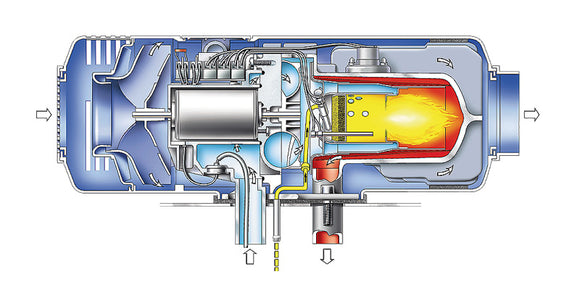
Diesel and Gas Fueled Heaters:
-
Air - Check combustion air intakes for any blockages, nests, mud daubers, etc. Clean or replace air filters/silencers if equipped. Ensure mounting clips and hangers are securely in place.
-
Fuel - Inspect fuel lines and replace fuel filters as part of the recommended annual replacement cycle. Pay close attention to rubber fuel line couplers and replace if there are any signs of dry rot or damaged/missing clamps. If you have a rubber isolated fuel pump mount, make sure it is securely in place and free from dry rot.
-
Exhaust - Check for any blockages and clean as necessary. Ensure mounting hangers, clips and mufflers are securely in place. Ensure the end position of the exhaust pipe terminates at least one inch past the outside perimeter of the vehicle to allow safe dissipation of exhaust gases away from under the vehicle.
-
Cabin Air – remove any gear that may restrict airflow in or out of the heater. Check the condition of ducting if equipped. The heater case functions as part of the ducting. Make sure all case pieces are properly assembled. Damaged or missing ducting can impact airflow and can cause overheating and other fault conditions.
-
Controls – Operate the heater for 30 minutes. Observe for any fault codes or abnormal operation and correct as necessary.
Fall is the Time to Prep Your Commercial Vehicle HVAC for Winter
If you don’t already have winter heater prep on the calendar, add it now. Mother Nature can make sudden appearances, and trying to work from a cold truck or equipment cab is both uncomfortable and unsafe. If you run into challenges or need parts, reach out to the experts at Virginia Mobile Air Conditioning Systems (757-650-0957) – we’re here to help by sharing our knowledge, or getting parts shipped out the same day (in most cases) from our extensive in-stock inventory.